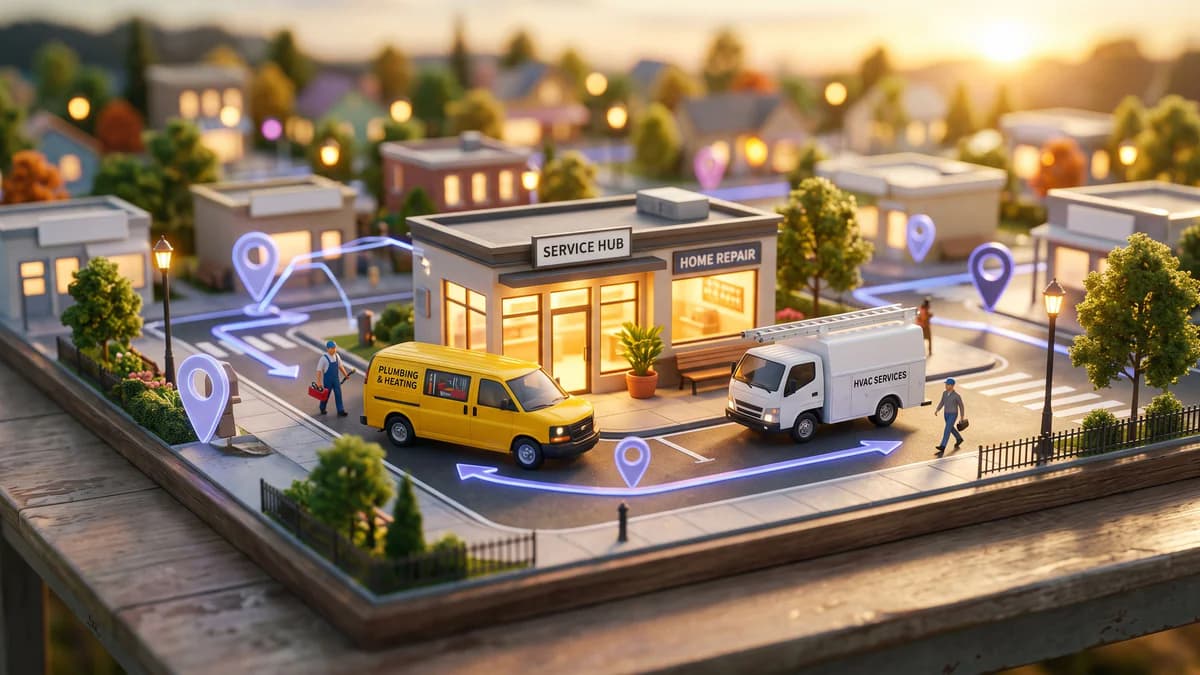
Local service businesses face an unprecedented challenge in 2026: customers are searching for you on Google, but the platforms and strategies that worked last year are shifting beneath your feet, according to Business. The biggest change? Google is moving Local Services Ads into Google Ads as Performance Max pay-per-lead campaigns, with bidding, reporting, and management changes beginning August 2026. This seismic shift, combined with evolving PPC strategies and the rising importance of Google My Business optimization, means that local service business lead generation in 2026 requires a fundamentally different playbook than even six months ago.
The stakes are real. With 46% of all Google searches seeking local information, local companies that capture and convert those leads hold a powerful advantage. But capturing those leads means understanding not just where customers are searching, but how to reach them across multiple channels with a cohesive strategy that drives qualified prospects into your pipeline. This guide covers the complete landscape of local service business lead generation in 2026, from the mandatory Google Local Services Ads transition to advanced PPC tactics, Google My Business leverage, and the multi-channel approach that separates thriving service businesses from those struggling to fill their schedules, according to Smartsites.
The Seismic Shift: Google Local Services Ads Transition to Performance Max
The most significant change affecting local service businesses in 2026 is the consolidation of Google Local Services Ads into the main Google Ads platform. Google is retiring the standalone Local Services Ads dashboard and migrating every existing pay-per-lead campaign into the main Google Ads platform, a change that directly affects plumbers, HVAC contractors, electricians, lawyers, and other local service businesses that rely on the Google Guaranteed and Google Screened programs for lead generation.
Here's what's changing and what's staying the same:
What Remains Unchanged:
- Ads continue to appear only on Search and Maps, and advertisers continue to pay only for valid leads such as calls, messages and bookings, not clicks.
- Campaigns remain keywordless, using information from the advertiser's Google My Business profile.
- Your service areas, business information, and lead history all transfer automatically to the new system.
What's Changing:
- The shift converts all Local Services Ads campaigns into a specialized Performance Max campaign type built for pay-per-lead goals, ends manual bidding, and leaves historical performance reports behind. This last point is critical: advertisers need to export their data before their migration date, which Google says it will announce 14 days in advance.
- Advertisers will manage campaigns, leads and calls from within Google Ads instead of a separate Local Services Ads dashboard.
- Bidding strategy shifts from manual control to automated Target CPA (cost-per-acquisition) bidding within Performance Max.
Timeline for Migration: The first phase of the migration begins in August 2026 for select home and storefront service advertisers in the United States (including plumbing, HVAC, electrical, appliance repair, house cleaning, lawn care, roofing, pest control, and moving). Late 2026 brings expansion to broader advertiser groups, including service-area businesses without physical storefronts and accounts with custom bidding or booking configurations.
The upside? Performance Max gives you access to better ad management tools than the old LSA dashboard ever had. You get smarter bidding, better audience targeting, and the ability to run your lead ads alongside your other Google Ads campaigns in one place.
PPC for Service Businesses: Beyond the Basics
While Google Local Services Ads handle the pay-per-lead model, traditional PPC campaigns remain a critical component of local service business lead generation. The difference in 2026 is sophistication: generic search ads no longer cut it. Your PPC strategy must integrate with your overall lead generation ecosystem and focus on conversion, not just clicks.
Core PPC Principles for Service Businesses:
-
Geographic Targeting Precision - Service businesses operate within defined service areas. Your PPC campaigns must respect these boundaries while capturing high-intent searches. Rather than bidding nationally, concentrate your budget on the geographic zones where you can actually fulfill service requests. This prevents wasted spend on unqualified clicks and improves your cost-per-lead metrics.
-
Keyword Strategy Built on Service Intent - Service buyers search differently than product buyers. They use phrases like "emergency plumber near me," "HVAC repair same day," or "electrician licensed and insured." Your keyword strategy should target these service-intent queries rather than broad, competitive terms. Long-tail keywords specific to your service area and specialty often deliver better ROI than generic keywords.
-
Landing Page Alignment - Clicks are only the beginning. Your landing pages must directly address the searcher's need. A person searching "emergency water heater repair" should land on a page about emergency water heater service, not your generic home page. This alignment between ad copy, keyword, and landing page content dramatically improves conversion rates.
-
Call-Focused Conversions - Service businesses live on phone calls. Your PPC campaigns should prioritize call conversions through click-to-call buttons, prominent phone numbers, and messaging extensions. Track phone calls as conversions in Google Ads and use call duration data to understand which campaigns drive genuine customer interactions versus spam.
Google My Business: The Foundation of Local Lead Generation
Your Google My Business profile is not optional in 2026. It's the foundation upon which all other local lead generation tactics rest. When potential customers search for services in your area, Google uses your Google My Business information to determine whether and where your business appears. Managing all your Google advertising in one unified platform while keeping the pay-per-lead model you rely on means your Google My Business data directly feeds your Local Services Ads campaigns.
Changes you make to your profile automatically sync to your ads, eliminating manual updates and reducing the risk of outdated information in front of customers.
Critical Google My Business Elements for Lead Generation:
-
Complete Business Information - Ensure your business name, address, phone number, hours of operation, and service areas are accurate and complete. Incomplete profiles rank lower in local search and appear less trustworthy to customers.
-
High-Quality Photos and Videos - Use professional photos of your team, completed work, and your physical location if you have one. Video content showing your service in action builds credibility and engagement.
-
Detailed Service Descriptions - Don't just list "plumbing." Describe the specific services you offer: "Emergency 24/7 Plumbing," "Water Heater Installation and Repair," "Drain Cleaning," etc. This specificity helps Google match your profile to relevant searches.
-
Customer Reviews and Responses - Reviews are a ranking factor and a trust signal. Actively solicit reviews from satisfied customers and respond to every review, positive or negative. Businesses with higher review counts and ratings appear more prominently in local search results.
-
Posts and Updates - Google My Business posts allow you to share timely information: seasonal promotions, new services, or important updates. These posts appear directly in search results and on your profile, giving potential customers a reason to click through.
Multi-Channel Local Lead Generation Strategy
Relying on a single channel for leads is risky. The most successful local service businesses in 2026 use a coordinated, multi-channel approach that creates multiple touchpoints with potential customers.
Channel 1: Google Local Search and Maps
This remains the dominant channel for local service discovery. 78% of people who search "near me" on their phone walk into a store within 24 hours. These are high-intent customers ready to buy today. Dominating local search means:
- Optimizing your Google My Business profile for local search visibility
- Building local SEO authority through location-specific content and backlinks
- Running Google Local Services Ads campaigns (now through Performance Max)
- Using traditional Google Ads search campaigns for service-specific keywords
Channel 2: Paid Social Advertising
While Google dominates local service searches, paid social platforms offer unique advantages for local lead generation. Facebook and Instagram ads with geographic targeting can be ridiculously effective for local lead generation. A 10-mile radius around your service area, targeting business owners in specific industries provides surgical precision for pennies compared to Google Ads.
Social advertising excels at:
- Building brand awareness in your local market
- Retargeting website visitors who didn't convert
- Targeting specific demographics or business types within your service area
- Testing messaging and creative before investing in higher-cost channels
Channel 3: Local SEO and Organic Content
Organic visibility builds authority and reduces your reliance on paid advertising. Service area optimization involves strategic targeting of multiple service areas without triggering spam filters, and local content strategy involves website content optimized for location-specific searches and local intent keywords.
Invest in:
- Location-specific landing pages for each service area you serve
- Blog content answering common service questions ("How much does a water heater replacement cost?" "What causes HVAC breakdowns?")
- Local link building through community partnerships and local directories
- Consistent NAP (Name, Address, Phone) citations across the web
Channel 4: Referral and Partnership Networks
Strategic partnerships with complementary local businesses create win-win lead generation opportunities. A plumber might partner with a real estate agent or home inspector. An electrician might work with a general contractor. These relationships generate consistent referral leads at minimal cost.
Formalize referral partnerships through:
- Clear referral agreements specifying how leads are shared and compensated
- Regular communication and follow-up with partners
- Tracking referral sources in your CRM to identify your most valuable partnerships
- Reciprocal marketing (featuring partners on your website, in emails, etc.)
Lead Quality: The Overlooked Metric
Generating leads is only half the battle. The challenge isn't just getting more leads, it's getting qualified leads that actually convert into paying customers. Many local service businesses optimize for lead volume while ignoring lead quality, resulting in wasted time chasing prospects who never convert.
Implementing Lead Quality Metrics:
-
Lead Scoring System - Not all leads are equal. Develop a scoring system that weights leads based on:
- Geographic proximity to your service area
- Service type alignment with your offerings
- Urgency signals (emergency calls vs. general inquiries)
- Budget indicators (if available)
-
Conversion Tracking - Automatically prioritize and distribute leads based on quality indicators and sales team capacity. Connect your lead generation channels to your CRM and track which sources consistently produce customers, not just inquiries.
-
Cost Per Acquisition, Not Cost Per Lead - Shift your thinking from cost-per-lead to cost-per-customer. A $50 lead that converts to a $2,000 job is worth more than a $20 lead that never closes. Use this metric to allocate budget toward your highest-converting channels.
-
Response Time Optimization - Speed matters. Local service businesses need consistent, qualified leads to maintain steady revenue, and platforms that capture phone-first customers and enable rapid response times deliver measurable ROI. Implement systems that ensure leads are contacted within minutes, not hours.
Integrating Your Lead Generation Stack
The most sophisticated local service businesses don't rely on disconnected tools and channels. They integrate their entire lead generation ecosystem: Google My Business feeds Local Services Ads campaigns, PPC campaigns drive landing page conversions tracked in their CRM, social ads retarget website visitors, and referral partners feed into the same lead management system.
This integration requires:
- CRM System - A central hub where all leads from all channels are captured, tracked, and assigned
- Call Tracking - Phone number tracking that attributes calls to specific campaigns and keywords
- Analytics Integration - Connecting Google Analytics, Google Ads, and your CRM to understand the full customer journey
- Automation - Workflows that automatically score, assign, and follow up on leads based on quality indicators
When these systems work together, you gain visibility into which channels drive the highest-quality leads, where to invest additional budget, and which tactics to eliminate.
Key Takeaways
Local service business lead generation in 2026 is more complex and more opportunity-rich than ever before. The transition of Google Local Services Ads to Performance Max is a forcing function to modernize your approach, but it's just one piece of a larger shift toward multi-channel, data-driven lead generation.
The businesses winning in this environment:
- Have prepared for the Local Services Ads Performance Max migration and exported their historical data
- Maintain a complete, optimized Google My Business profile that feeds all their local advertising campaigns
- Run coordinated PPC campaigns with geographic precision and conversion-focused landing pages
- Use paid social to build awareness and retarget prospects in their local market
- Invest in organic local SEO to reduce reliance on paid channels
- Build strategic partnerships that generate consistent referral leads
- Track lead quality and cost-per-customer, not just lead volume
- Integrate all channels into a single CRM system that provides visibility into what's working
The opportunity is significant. Local service businesses that move beyond single-channel tactics and build a coordinated, multi-channel lead generation system will capture disproportionate market share from competitors still operating with 2014-era strategies.
Ready to build a lead generation system that actually converts? Let's discuss how we can help you implement these strategies and grow your business, according to Powerchord.
Let's Talk Lead Generation